

Moving to a new home is exciting, but anyone who’s been through it knows how quickly the excitement can turn into stress. There are dozens of decisions to make, paperwork to complete, boxes to pack, and schedules to coordinate. Waiting until the last minute often leads to forgotten tasks, rushed packing, and unnecessary frustration.
The good news is that moving doesn’t have to feel overwhelming.
The easiest way to stay in control is to break the process into manageable steps instead of trying to do everything at once. Whether you’re moving across Houston or relocating to another Texas city, a well-planned schedule helps you stay organized while giving you enough time to handle unexpected situations.
This moving checklist for Houston families is designed to guide you from the moment you decide to move until you’re comfortably settled into your new home.
Start Planning About Eight Weeks Before Your Move
One of the biggest mistakes people make is waiting until moving month before they start preparing. Even if your move seems weeks away, those weeks disappear faster than expected.
Around two months before moving day, focus on planning rather than packing.
This is a good time to:
Decide on your preferred moving date.
Research professional moving companies.
Request a free moving estimate in Houston.
Compare services instead of only comparing prices.
Create a folder for contracts, receipts, and important documents.
Start a room-by-room inventory of larger furniture and valuable belongings.
If you’re moving during summer or at the end of the month, booking your movers early can provide more scheduling flexibility.
Six Weeks Before Moving Day
Now that your move is scheduled, it’s time to reduce the amount of work you’ll have later.
Walk through every room with a critical eye. Ask yourself whether each item is worth packing, transporting, and unpacking again. Moving is often the perfect opportunity to donate clothing you no longer wear, recycle old paperwork, and dispose of broken or unused household items.
Decluttering before packing has several benefits:
Fewer boxes to move.
Less time spent packing.
Lower moving costs in some situations.
A fresh start in your new home.
Once you’ve decided what you’re keeping, begin collecting moving supplies. Purchase sturdy boxes in several sizes, packing tape, bubble wrap, furniture blankets, permanent markers, and labels.
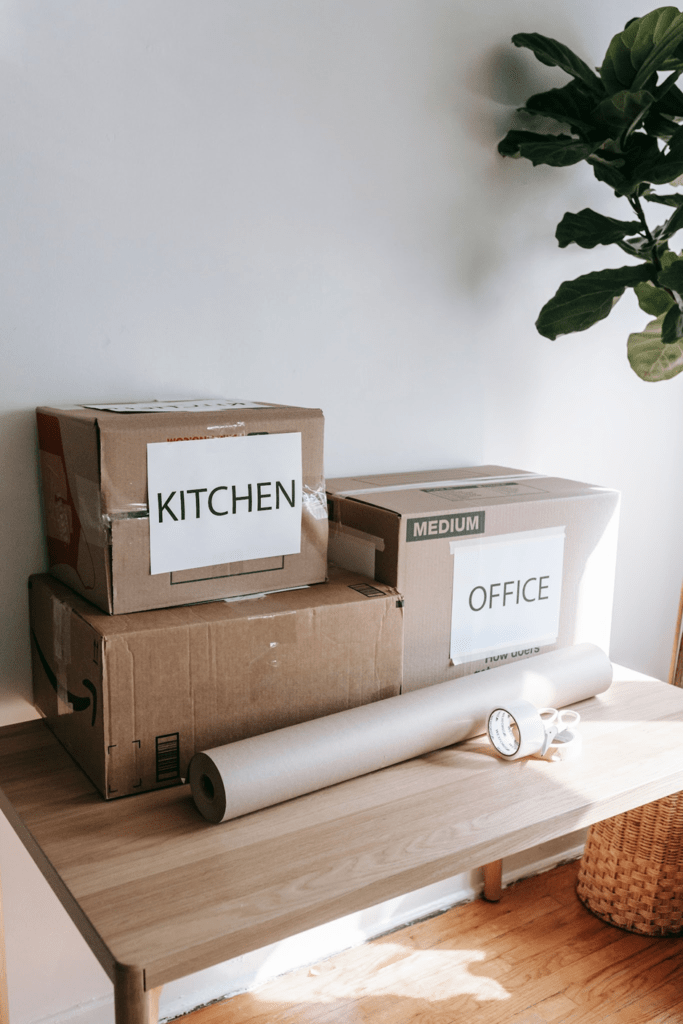
Instead of labeling every box “Kitchen” or “Bedroom,” be more specific. Labels like “Kitchen – Plates,” “Bedroom – Winter Clothes,” or “Office – Important Files” will save valuable time when unpacking.
What to Do 30 Days Before Moving
With about a month remaining, your move starts to feel much more real.
This is the time to notify organizations about your upcoming address change. Banks, insurance providers, subscription services, employers, healthcare providers, schools, and government agencies may all need updated information.
You should also contact utility companies to schedule service transfers or disconnections for electricity, gas, internet, water, and trash collection. Whenever possible, arrange for utilities at your new home to be activated before you arrive.
If you haven’t started packing yet, now is the time.
Begin with items you use the least:
Seasonal decorations.
Books.
Decorative items.
Guest room furniture.
Extra kitchen equipment.
Clothing that’s out of season.
Packing these belongings early allows you to focus on everyday essentials during the final weeks before your move.
How to Pack for a Move Efficiently
Packing isn’t just about filling boxes — it’s about making unpacking easier later.
Pack one room at a time instead of moving randomly throughout the house. Keeping similar items together reduces confusion and helps protect fragile belongings.
A few simple habits can make a big difference:
- Don’t overload large boxes with heavy items.
- Use towels or blankets to cushion delicate objects.
- Fill empty spaces so items don’t shift during transportation.
- Keep screws, bolts, and small hardware in labeled bags attached to the furniture they belong to.
- Clearly mark boxes containing fragile items.
If possible, pack an “Open First” box containing chargers, medications, toiletries, basic tools, cleaning supplies, paper towels, snacks, and a change of clothes. After a long moving day, you’ll appreciate having those essentials within easy reach instead of searching through dozens of boxes.
Moving doesn’t become easier because you work harder; it becomes easier because you prepare earlier and stay organized throughout the process.
Moving with Children and Pets
A move can be just as emotional for children and pets as it is for adults. New surroundings, unfamiliar routines, and the activity leading up to a moving day can create stress if you don’t prepare ahead of time.
Talk with your children about the move well in advance and involve them in small decisions, such as decorating their new room or packing a special box with their favorite toys. This helps them feel included rather than overwhelmed.
If you have pets, try to maintain their normal routine as much as possible. Keep food, water, medications, leashes, and carriers easily accessible. On moving day, consider having a trusted friend or family member look after them until the loading and unloading are complete. This keeps them safe while allowing the movers to work efficiently.
Your Moving Day Checklist
After weeks of planning, the moving day has finally arrived. While it’s normal to feel busy, staying organized will make the day run much more smoothly.
Before the movers arrive:
- Double-check that every box is labeled.
- Pack important documents, medications, jewelry, and valuables separately so they stay with you.
- Make sure walkways and entrances are clear.
- Confirm that phones are fully charged.
- Do one final walkthrough to check closets, cabinets, storage areas, and the garage.
When the moving crew arrives, take a few minutes to review the plan together. Let them know if there are fragile items, rooms that require extra attention, or any special instructions for unloading at your new home.
Good communication at the beginning of the move often prevents misunderstandings later.
After You Arrive at Your New Home
The move isn’t over when the truck is unloaded. Taking a little time to settle in thoughtfully will make the next few days much easier.
Start by unpacking your essentials box. Set up bedrooms, bathrooms, and the kitchen first so your family can return to a comfortable routine as quickly as possible.
As you unpack, inspect larger furniture and fragile items to ensure everything arrives safely. It’s also a good idea to test appliances, confirm utilities are working properly, and update any remaining address information that may have been missed.
Remember, you don’t have to unpack everything in one day. Give yourself time to organize each room properly instead of rushing through the process.
Printable Moving Checklist
Use this simple checklist to stay on track throughout your move:
8 Weeks Before
✔ Choose your moving date.
✔ Research moving companies.
✔ Request a free moving estimate.
✔ Create a moving folder for important paperwork.
6 Weeks Before
✔ Declutter your home.
✔ Donate or dispose of unwanted items.
✔ Gather packing supplies.
✔ Begin organizing room by room.
30 Days Before
✔ Notify utility providers.
✔ Update your address where needed.
✔ Start packing non-essential belongings.
✔ Confirm your moving arrangements.
Moving Week
✔ Pack your essentials box.
✔ Finish labeling every box.
✔ Confirm arrival times with your movers.
✔ Prepare children and pets for moving day.
Moving Day
✔ Keep important documents with you.
✔ Complete a final walkthrough.
✔ Review the moving plan with the crew.
✔ Lock doors and confirm nothing has been left behind.
Frequently Asked Questions
How long does packing take for a three-bedroom house?
The answer depends on how much you own and how many people are helping. Many families begin packing several weeks in advance, starting with items they use less frequently and leaving everyday essentials until the final days before the move.
Should I pack everything before the movers arrive?
Whenever possible, yes. Having boxes packed, labeled, and ready before moving day helps the process move more efficiently and reduces delays.
What’s the best way to stay organized during a move?
Create a timeline, pack one room at a time, label every box clearly, and avoid leaving major tasks until the last few days. Small steps completed consistently are much easier to manage than trying to do everything at once.
Final Thoughts
Moving doesn’t have to feel chaotic. A little preparation today can save hours of stress later.
By following a realistic timeline, packing with purpose, and staying organized throughout the process, you’ll be better prepared for a smoother transition into your new home.
At Mighty Movers Logistics, we understand that every family’s move is different. That’s why we focus on planning, communication, and dependable service from beginning to end. Our System over Hustle philosophy helps create an organized moving experience so you can spend less time worrying about logistics and more time looking forward to your next chapter.
If you’re ready to schedule a move in Houston or would like a free moving estimate, our team is here to help. Contact Mighty Movers Logistics today and let us help make your move simpler, safer, and more manageable.
Where Your Move Matters.